



Telecommunication

Traditional cloud-based media services often face latency issues, particularly when catering to bandwidth-intensive applications such as content delivery, multimedia streaming, cloud gaming, and video analytics. Conventional cloud deployments struggle to meet the stringent latency requirements, resulting in compromised user experiences and operational inefficiencies.
Read more: Enhancing Media Services Deployment with the AI-Powered MEC Platform

Deploying DDoS prevention at the edge instead of relying solely on cloud-based solutions offers organizations immediate threat mitigation advantages. By addressing potential attacks closer to the source, edge-based DDoS prevention reduce latency and provide a quicker response to emerging threats. Moreover, the enhanced visibility and control provided by edge-based solutions enable organizations to have a more granular understanding of their network traffic, facilitating real-time adjustments to security policies based on evolving threats.
Read more: Scalable MEC Server Enables DDoS Security Edge Services

As an increasing number of devices connect to the internet, the significance of the network's edge is intensifying. This growing trend is driving an increased demand for edge computing solutions that provide low latency and high performance, crucial for applications such as artificial intelligence, augmented reality, and virtual reality.
Read more: Constructing a Resilient Multi-Node Edge Cloud Architecture

In the realm of critical infrastructure management, ensuring the safety, reliability, and efficiency of systems such as power plants, oil refineries, and communication networks is paramount. Traditional inspection methods have their limitations, often requiring manual labor, high costs, and potential safety hazards. A private network with 5G-enabled wearable applications is employed to revolutionize the inspection process.
Read more: Enabling Low-latency Private 5G for Augmented Reality (AR) Inspection

Communications play a crucial role in the event of an emergency, such as natural disasters including hurricanes, earthquakes, wildfires, or pandemics. First responders, mobile command posts, and remote emergency shelters must have reliable and secure communications for operational effectiveness. Building a mission-critical communication system can ensure rapid and safe health services within the hospitals, and in remote areas can help in minimizing the fallout due to the disaster.
Read more: Mission-Critical 5G Private Network for Emergency Situations
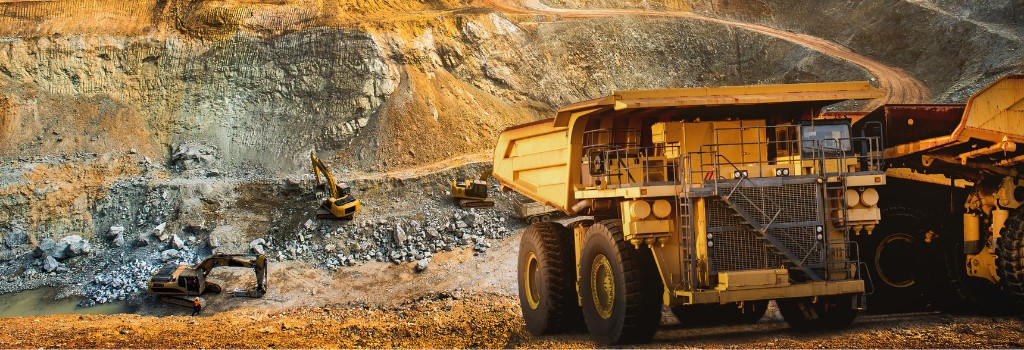
Mining companies face several challenges, including ensuring safety for workers, increasing efficiency, sustainability, and reducing costs. Wireless connectivity has the potential to increase safety and efficiency in mining operations by collecting and analyzing tracking data on the performance of vehicles, equipment, and workforce, in addition to remote monitoring of equipment, which can detect issues before they cause major problems.
Read more: Digitalizing Mining Operations Using 5G Private Network
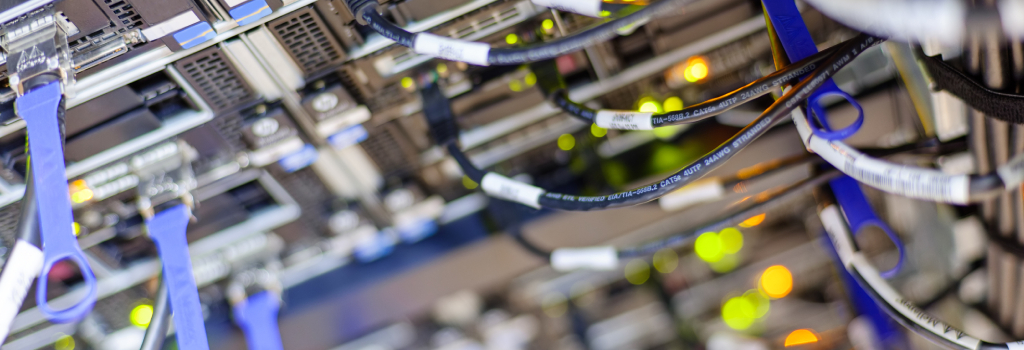
As cities are becoming both digital and smart, communication has become the fifth core infrastructure network after water, electricity, gas, and transportation. To keep up with the demand for bandwidth generated by consumers and applications, service providers and network operators need to optimize the performance and scaling of their existing networking architectures while generating innovative and cost-effective ways to deliver the services.
Read more: HTCA-E400 Unleash the Power of Optical Network Infrastructure